
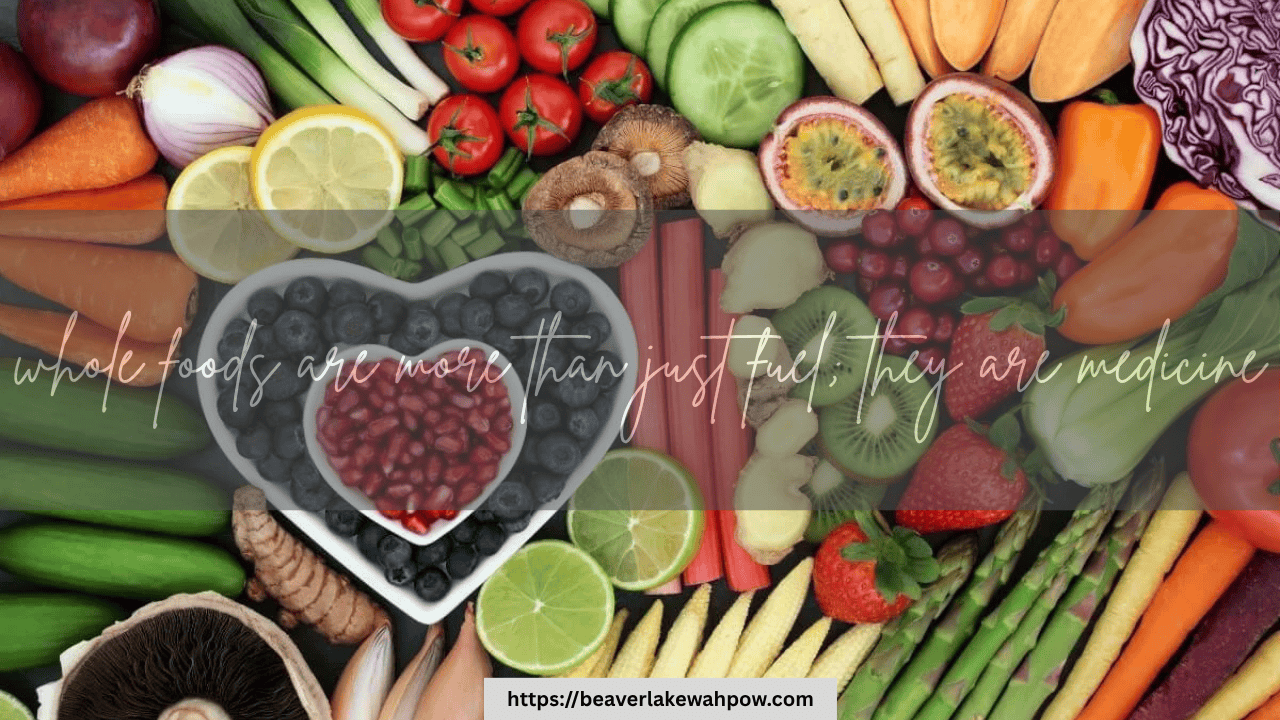
Recovery from addiction is a deeply transformative journey, one that requires healing on multiple levels — physical, emotional, and psychological. While therapy, support groups, and lifestyle changes are key pillars of recovery, nutrition often remains a missing piece in the recovery puzzle. In particular, the power of whole foods — unprocessed, nutrient-rich, and natural — plays a critical role in post-addiction healing and long-term wellness.
Substance abuse significantly disrupts the body’s natural balance. It damages vital organs, weakens the immune system, impairs digestion, and depletes essential nutrients. The body becomes malnourished, and its ability to function optimally is compromised. This damage doesn’t just disappear after detox; in fact, the early stages of sobriety are when the body needs the most support to begin repairing itself.
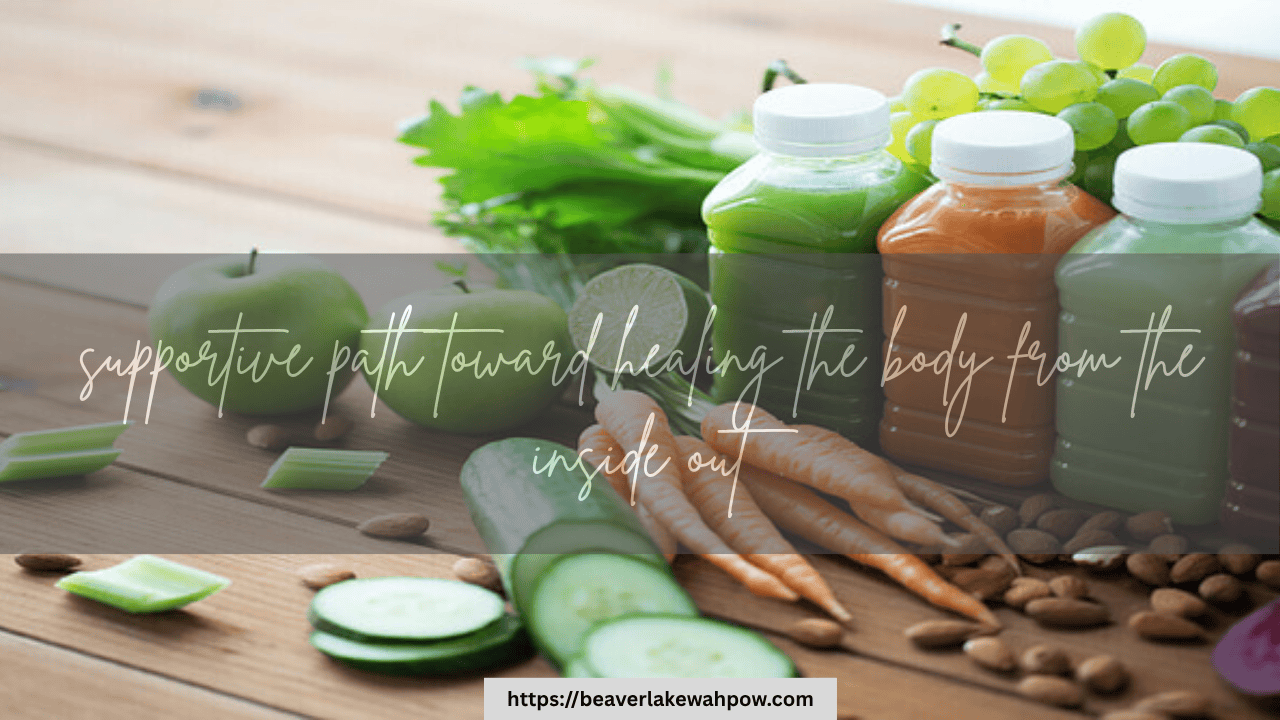
Whole foods offer exactly that support. Unlike processed foods that are high in sugar, unhealthy fats, and artificial additives, whole foods are rich in the nutrients the body desperately needs during recovery. These include vitamins, minerals, antioxidants, fiber, and phytochemicals that promote healing from the inside out.
Fruits and vegetables are powerhouses of recovery nutrition. They are packed with antioxidants that help combat the oxidative stress and inflammation caused by substance use. Leafy greens like spinach and kale provide magnesium, which supports nervous system health and can help reduce anxiety. Bright-colored fruits such as berries, oranges, and apples contain vitamin C and other nutrients that boost immune function and support detoxification.
Whole grains like brown rice, quinoa, and oats provide complex carbohydrates that stabilize blood sugar levels and fuel the brain with steady energy. This helps prevent mood swings and reduces the risk of relapse triggered by irritability or fatigue. Refined sugars and carbs, often found in junk food, can do the opposite — causing emotional crashes and increased cravings.
Protein is another essential part of recovery nutrition. It helps rebuild muscles, supports immune health, and supplies the amino acids necessary for producing neurotransmitters like dopamine and serotonin — which regulate mood, motivation, and sleep. Sources of clean protein include beans, lentils, eggs, poultry, fish, and tofu.
Healthy fats, especially omega-3 fatty acids found in fish, flaxseeds, and walnuts, play a crucial role in brain repair. They support cognitive function, reduce inflammation, and help balance mood — all of which are vital during the early stages of sobriety.
Incorporating whole foods into a daily routine isn’t just about physical healing — it’s also about empowerment. Choosing nourishing foods helps individuals reconnect with their bodies, regain control over their health, and establish new, positive habits that reinforce recovery. It’s a daily act of self-care that affirms one’s commitment to a sober life.
Ultimately, whole foods are more than just fuel; they are medicine. They help restore what addiction has taken away, creating a foundation of strength and vitality. For anyone on the path of recovery, embracing whole foods can be a powerful step toward wholeness — one nourishing bite at a time.



 The journey to overcoming substance addiction is a complex and multifaceted one that demands a holistic approach. In recent years, the intersection of artistry and science has emerged as a powerful and innovative method for individuals seeking to break free from the chains of substance dependence. This holistic approach recognizes the intricate interplay between creative expression and scientific methodologies in the pursuit of recovery.