
Recovering from substance abuse is a journey that requires healing of both the mind and body. While the emotional and psychological aspects of recovery are crucial, physical detoxification plays a key role in restoring health. After prolonged substance use, the body becomes burdened with toxins, nutritional deficiencies, and compromised organ function. Natural detox strategies can support the body’s healing process, gently encouraging the elimination of harmful substances and rebuilding internal balance.
Understanding Natural Detoxification
Natural detox doesn’t mean quick fixes or harsh cleanses. Instead, it focuses on supporting the body’s own detox systems—primarily the liver, kidneys, digestive tract, lungs, and skin. These organs are designed to process and eliminate toxins, but substance abuse can overload and impair their function. A natural detox strategy involves gentle, consistent care through lifestyle changes, whole foods, hydration, and rest.
Hydration is Essential
One of the simplest yet most effective detox tools is water. Proper hydration helps flush out toxins through urine and sweat, supports kidney function, and aids digestion. Individuals in recovery should aim for at least 8–10 glasses of water a day, adding lemon for extra liver support. Herbal teas such as dandelion, milk thistle, and ginger can also enhance detoxification by promoting liver and digestive health.
Nutrition for Recovery
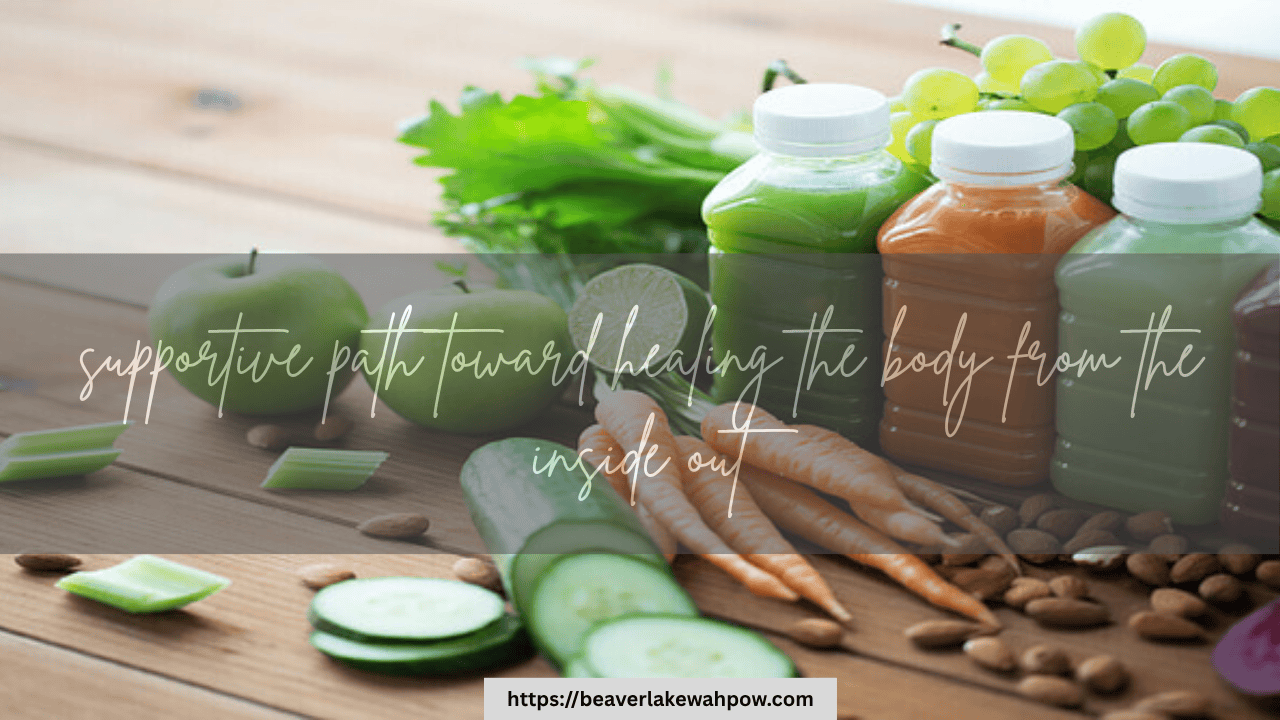
Substance abuse often depletes essential nutrients, leaving the body weak and inflamed. A detox-supportive diet should be rich in antioxidants, fiber, and anti-inflammatory foods. Leafy greens, berries, cruciferous vegetables (like broccoli and cabbage), whole grains, and lean proteins help nourish the body and repair damaged tissues. Probiotic-rich foods such as yogurt, kefir, and fermented vegetables can also restore gut health, which is often disrupted during addiction.
Movement and Sweat
Exercise is a powerful tool in the detox process. Physical activity increases circulation, boosts the lymphatic system, and promotes sweating—all of which help the body release toxins. Moderate aerobic activities like walking, swimming, or yoga can be incredibly effective, especially during early recovery when energy may be low. Yoga and breathwork, in particular, also support emotional detox by calming the nervous system and reducing stress.
Rest and Rejuvenation
Healing takes energy, and rest is a critical part of recovery. Substance abuse can disturb sleep patterns, leading to fatigue and mood instability. Creating a regular sleep routine, avoiding screens before bed, and incorporating calming bedtime rituals (like herbal teas or meditation) can help the body reset and repair.
Mind-Body Practices
Natural detox is not just physical—it also involves emotional cleansing. Practices like mindfulness meditation, journaling, and deep breathing help process emotional baggage and reduce stress, which can otherwise hinder physical healing. These techniques support a holistic approach, aligning the mind and body in the recovery process.
Conclusion
Reclaiming health after substance abuse is a process that takes patience, care, and consistency. Natural detox strategies offer a gentle, supportive path toward healing the body from the inside out. When combined with emotional and medical support, these strategies can empower individuals to rebuild their lives and embrace a healthier, more vibrant future.